How to instill a Training Culture in your organization:




Intelligent Cleaning for Health
One Process: Three Solutions.
Intelligent Cleaning for Health is inspired by TKOS: The KingsClean Ops System, the one process you need to clean your facilities for health.
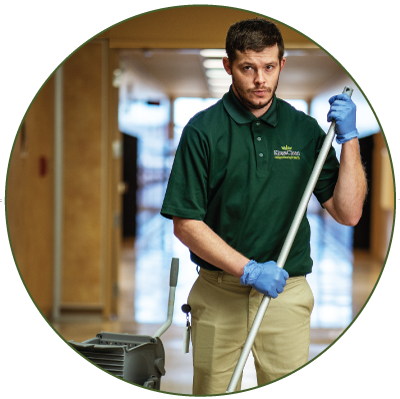
Full-Service Contracting
We can do it for you.
KingsClean implements TKOS as a full-service contract cleaning service, deploying our people and supervision, for educational, religious, health care, commercial and office facilities.
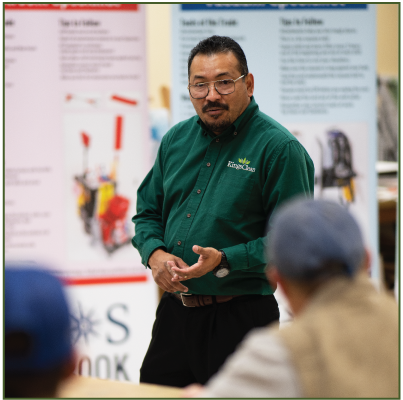
Consulting and Training
We can teach you how to do it.
We deliver TKOS as a consulting and training service, where clients retain the hiring and supervision of their facility cleaning personnel, while we provide the process, leadership and training assistance.

Supplemental Staffing
We can staff your department with trained, professional workers.
Custodial staffing requires a fast response for recruiting, onboarding, training, and getting cleaning staff into the field. KingsClean is uniquely qualified to provide short-term custodial staffing services.
Intelligent cleaning for health makes dollars and sense.
We believe that every facility team needs a coach who can help them revolutionize their cleaning department, reduce harmful pollutants by up to 75% or more, and save 10% to 30% in annual dollars to reinvest in the department.

Intelligent cleaning for health can help you save 10% to 30% in annual dollars to reinvest back into your department.

Intelligent cleaning for health can help your department reduce harmful air pollutants by up to 75% or more.
Approximately 30% of the U.S. population is affected by respiratory disorders linked to harmful airborne particulates
Associations